Colombia Election Weekend May 30 to June 1, 2026: Dry Law and Border Closures Explained
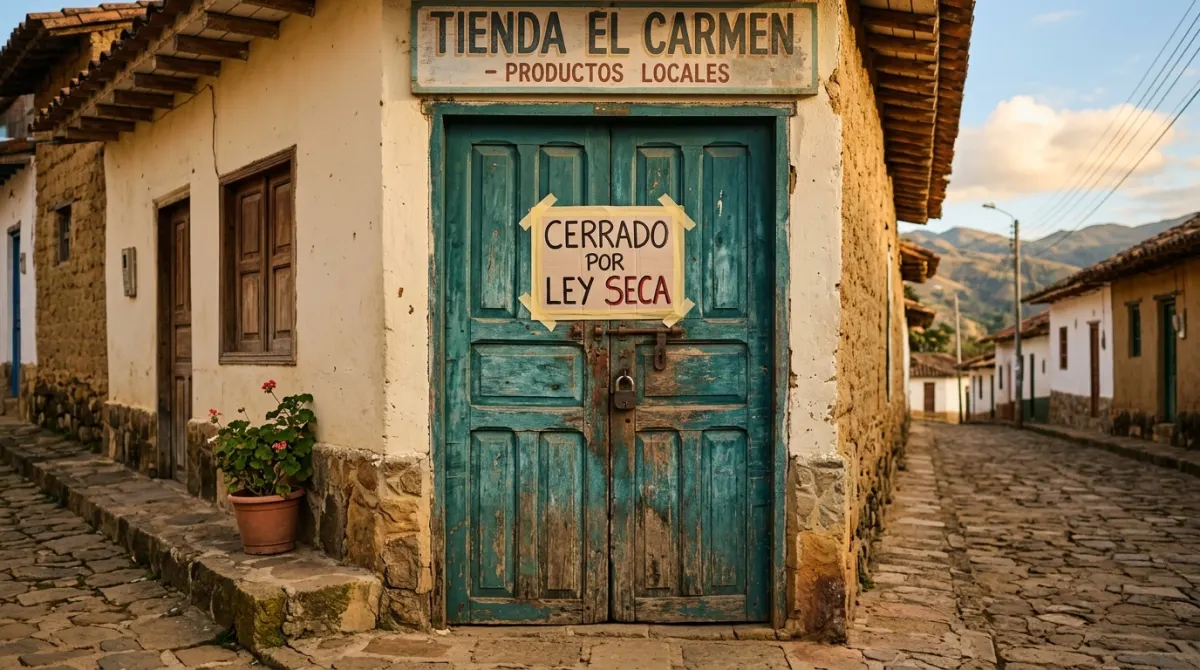
Colombia votes Sunday, May 31, 2026 in the first round of its presidential election. The same weekend, Decreto 0188 of February 27, 2026 triggers a nationwide alcohol ban and a full closure of land and river borders. If you are in Colombia or crossing the Rumichaca bridge from Ecuador, the next 72 hours have hard, time-stamped rules you should plan around now. For political context on why this election is unusually tense, see our April 2026 election violence report.
The Dates That Matter
The Ministerio del Interior set two different windows, and they do not overlap perfectly. Read carefully.
Ley seca (alcohol ban): Saturday, May 30 at 6:00 PM through Monday, June 1 at 12:00 PM (noon). Nationwide.
Border closure (land + river): Saturday, May 30 at 6:00 AM through Monday, June 1 at 6:00 AM. Nationwide.
Polling hours: Sunday, May 31 from 8:00 AM to 4:00 PM.
Runoff (if no candidate clears 50%): Sunday, June 21. The Ministerio del Interior typically issues a parallel decree for the runoff weekend mirroring the same windows. As of May 25, that parallel decree had not yet been published. Plan as if it will be, and verify the alcaldía notice 48 hours before.
Mayors and governors can extend the ley seca window in their jurisdictions but cannot shorten it. Local extensions are common in tourist-heavy cities like Cartagena and Medellín, so check the local alcaldía notice 48 hours before.
Border Closure: Who Gets Hit
The decree closes all formal land and river crossings. That includes:
- Rumichaca (Ipiales, Nariño ↔ Tulcán, Ecuador) — the busiest South American land crossing
- San Miguel (Putumayo ↔ Ecuador east)
- Paraguachón (La Guajira ↔ Venezuela)
- Leticia (Amazonas ↔ Brazil and Peru)
- Puerto Carreño, Puerto Inírida, Puerto Asís river crossings
No regular transit of people, private vehicles, public buses, or freight is permitted. The decree retains the standard exceptions used by Ministerio del Interior in past election decrees (humanitarian, urgent medical, and diplomatic transit), but treat them as discretionary, not automatic, and bring documentation. Migración Colombia offices operate under special protocols only.
Air travel is not affected. International flights from El Dorado (Bogotá), José María Córdova (Medellín), Rafael Núñez (Cartagena), Alfonso Bonilla Aragón (Cali) and other airports run normally. Customs and immigration operate as usual at airports.
If your itinerary has you crossing Rumichaca by bus between Saturday morning and Monday morning, you have two clean options: shift the date by a day, or fly Quito ↔ Bogotá / Cali / Medellín instead. Avianca, LATAM, and Wingo all run that route.
Ley Seca: What Is Actually Banned
For 42 hours straight, the commercial sale of alcohol is prohibited. That means:
- No beer, wine, or liquor at bars, restaurants, or clubs
- No alcohol sales at supermarkets, Éxito, Carulla, D1, Ara, or neighborhood tiendas
- No room service alcohol at hotels
- No alcohol delivery via Rappi, iFood, or DiDi Food
What is generally tolerated: drinking alcohol you already have at home. What carries real risk: transporting alcohol in public. Police checkpoints can seize bottles and issue fines for violators. The exact fine ranges are set by each municipality.
Bars and restaurants that serve alcohol during the window face the heaviest penalties — establishment closures of 3 to 10 days are typical in cities that enforce strictly. In zones with heavy tourism enforcement (Cartagena’s Centro Histórico, Bogotá’s Zona T and Zona G, Medellín’s Provenza and El Poblado), expect uniformed police walk-throughs.
What Still Works
Most of normal life continues. The election weekend is not a lockdown.
- Restaurants stay open and serve food, just not alcohol
- Domestic flights and intercity buses inside Colombia run on normal schedules
- Uber, DiDi, Cabify operate normally
- ATMs, pharmacies, hospitals, clinics are open
- Hotels check guests in and out as usual
Polling sites are set up in public schools, universities, and community centers. You will see a heavier-than-usual police and military presence around them on Sunday. Foreigners cannot vote in Colombian elections, so there is no reason to enter a polling site. Give them a wide berth.
Practical Checklist
If you want to enjoy the weekend without friction:
- Stock up Friday, May 29. Anything alcoholic you want for the weekend, buy by Saturday 5:00 PM at the latest.
- Do not plan border-overland travel Saturday or Sunday. Reroute via air or shift your dates.
- Carry your passport or cédula de extranjería at all times. Police checkpoints increase nationwide on election day.
- Keep some cash on hand. ATMs work, but lines get long Saturday afternoon as people prep for Sunday.
- Avoid political demonstrations. Public political acts are restricted to closed venues from May 25 through June 1, but spontaneous gatherings still happen, especially Sunday night after results.
- Check your embassy travel advisory Friday morning. Several have updated their Colombia guidance for this election cycle.
Runoff Scenario
Colombian presidential elections rarely end in the first round. If no candidate wins more than 50% on May 31, the top two face off Sunday, June 21. Ministerio del Interior typically publishes a parallel runoff decree mirroring the same windows: ley seca Saturday June 20 at 6:00 PM through Monday June 22 at noon, borders closed Saturday June 20 at 6:00 AM through Monday June 22 at 6:00 AM. The runoff decree had not been published as of May 25, 2026; confirm before booking, but plan as if the same windows apply.
The Bigger Picture
This election arrives after a wave of FARC dissident attacks in late April 2026 across Cauca, Valle del Cauca, and Nariño. The political stakes are high, and the security response is heavy. Our April 2026 violence report covers which regions remain elevated risk. The short version: Bogotá, Medellín, Cartagena, the Coffee Region, and Santa Marta are operating normally. The southwest — particularly the Pan-American Highway between Cali and Popayán — remains the area to avoid for overland travel.
Sources and Verification
Election rules are issued at the national level but enforced locally, and they can change in the final 48 hours. Verify before you act:
- Presidencia: Ley seca y cierre de fronteras (Decreto 0188)
- El Espectador: Rumichaca bridge closure dates and restrictions
- Migración Colombia: migracioncolombia.gov.co
- Registraduría Nacional: registraduria.gov.co
- Your home country’s embassy travel advisory page
This post reflects what the Colombian government has published as of May 24, 2026. Local alcaldías can extend ley seca hours or add restrictions in their jurisdictions. Check your city’s official notices Friday before the election weekend.