Tolu & Covenas
Affordable Caribbean beach towns on the Gulf of Morrosquillo — the quiet alternative
Overview
Tolu and Covenas are two small Caribbean towns on the Gulf of Morrosquillo, about 30 minutes apart on the Sucre department coast. Together they represent what Caribbean Colombia looked like before Cartagena became a tourist machine and Santa Marta built resort towers. These are genuine small fishing and farming towns that happen to sit on beautiful, calm Caribbean water.
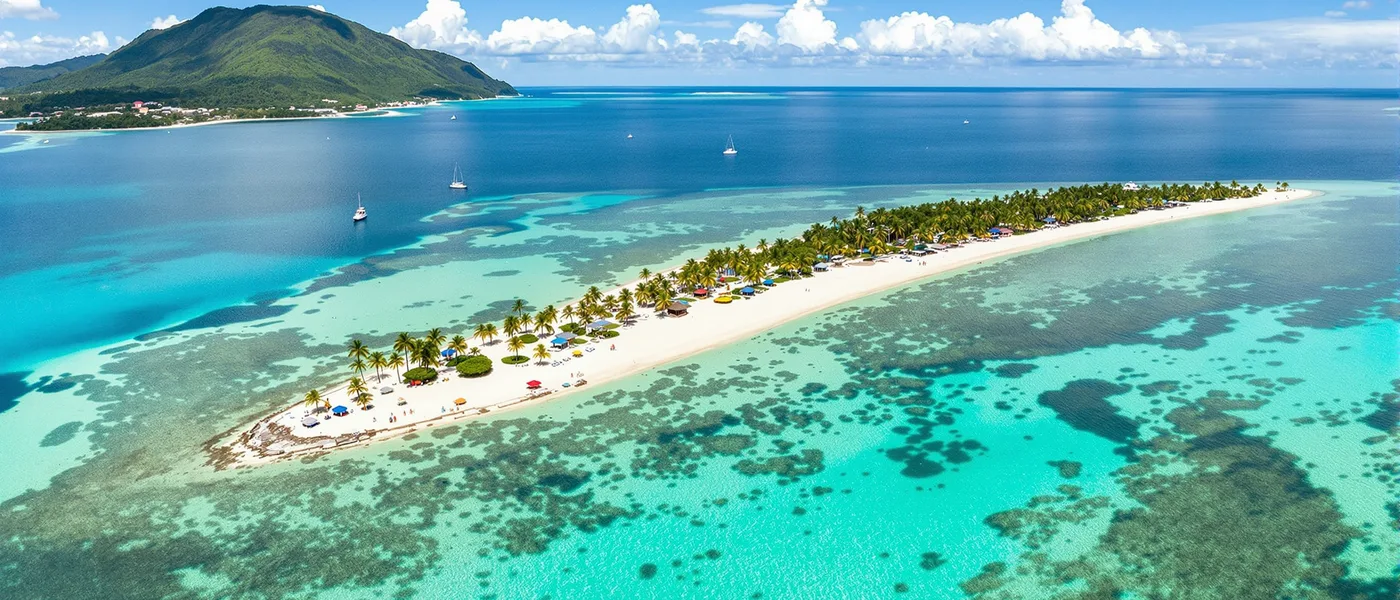
Nobody moves here for nightlife, coworking spaces, or expat meetups. People come for one reason: affordable, quiet beach life without pretension. The San Bernardo Islands are the area's natural treasure — an archipelago reachable by boat from Tolu with crystal-clear water and almost no development.
This is the most off-the-radar destination covered on this site. There is essentially no expat community, limited healthcare, inconsistent internet, and basic infrastructure. Spanish isn't just recommended — it's survival-level necessary. But if your vision of Colombian life involves a hammock, fresh fish, warm water, and a monthly budget under $600, Tolu and Covenas deliver.
Neighborhoods and Areas
Tolu Centro
The small downtown core around the main plaza and church. This is where you'll find the market, pharmacies, banks (Bancolombia and Banco de Bogota have ATMs), and bus connections. Most buildings are 1-2 stories, painted in Caribbean colors. Rent for a basic furnished room or small apartment: 400,000-700,000 COP/month ($111-194 USD). Walking distance to the malecon and waterfront. The most practical base for daily needs.
Tolu Playa (Beachfront Area)
The waterfront strip extending from the malecon along the coast. Simple hotels, cabanas, and a few residential houses line the beach road. During Colombian holidays (Semana Santa, December) this area fills with domestic tourists and gets noisy. Off-season, it's quiet. Rent for a beachfront cabana or apartment: 500,000-1,000,000 COP/month ($139-278 USD), with heavy seasonal variation. Negotiate hard outside peak season.
Covenas Beachfront
Covenas stretches along several kilometers of beach road south of Tolu. It's less of a town and more of a linear beach settlement. Simple restaurants, cabanas, and vacation houses face the water. Quieter and cheaper than Tolu during off-season. Rent for a basic beachfront place: 350,000-800,000 COP/month ($97-222 USD). The best option if your priority is waking up to the sound of waves with no agenda.
Covenas Pueblo
The small residential area behind the beachfront strip. Local families, tiendas, and a few basic services. Even cheaper than the beachfront — simple rooms or apartments for 250,000-500,000 COP/month ($69-139 USD). Very basic, but you're still a 5-minute walk to the beach. This is where locals live, and prices reflect local incomes.
- 01
San Bernardo Islands Boat Trip
An archipelago of 10 small islands 1.5 hours by boat from Tolu. White sand, turquoise water, coral reefs, and almost no tourists on weekdays. Day trips cost 80,000-120,000 COP ($22-33 USD) including boat, lunch, and island time. Isla Mucura and Isla Palma are the main stops. The water clarity rivals San Andres without the flight cost.
- 02
Isla Mucura
The most developed island in the San Bernardo archipelago. Small beach, a few hostels and restaurants, and some of the best snorkeling on the Colombian Caribbean coast. You can stay overnight in a basic cabana for 80,000-150,000 COP ($22-42 USD) per person including meals. The island is tiny — you walk across it in 5 minutes.
- 03
Gulf of Morrosquillo Swimming
The gulf has calm, warm Caribbean water with gentle waves — ideal for swimming, not surfing. The beaches in Covenas are long stretches of sand with palm shade. No entrance fees, no crowds on weekdays. Beach chair and umbrella rental: 10,000-15,000 COP ($2.80-4.20 USD) for the day.
- 04
Cispata Mangroves
A mangrove ecosystem at the mouth of the Rio Sinu, south of Tolu. Boat tours (40,000-60,000 COP / $11-17 USD) take you through the mangrove channels where you'll see caimans, pelicans, herons, and occasionally manatees. The Cispata Bay area is also home to a crocodile conservation project. Best visited in the morning.
- 05
Tolu Town Walk
Tolu's small center has a pleasant waterfront malecon, a main plaza with a colonial church, and side streets with painted houses and local tiendas. It takes about 30 minutes to walk the whole town. The malecon comes alive in the evening with food vendors selling fried fish, patacones, and cold beer. This is small-town Caribbean Colombia at its most honest.
- 06
Covenas Beachfront Sunset
Covenas faces west across the Gulf of Morrosquillo — perfect for Caribbean sunsets. Walk along the beachfront road, pick a plastic chair at any of the simple seafood restaurants, order a fish plate and a Club Colombia beer, and watch the sky go orange. No production, no entrance fee, just the real thing.
- 07
Local Seafood Restaurants
Both towns serve fresh-caught seafood at prices that would seem like a mistake in Cartagena. A whole fried mojarra (tilapia) with coconut rice, patacones, and salad costs 18,000-25,000 COP ($5-7 USD). Cazuela de mariscos (seafood stew in coconut broth) runs 20,000-30,000 COP ($6-8 USD). The best restaurants are the simplest ones — plastic chairs, tin roofs, and fish caught that morning.
- 08
Volcan de Lodo El Totumo
A mud volcano about 2.5 hours east (closer to Cartagena) but doable as a day trip. Climb into the crater and float in warm, thick volcanic mud. A massage in the mud costs about 10,000 COP ($2.80 USD). Wash off in the adjacent lagoon. It's touristy and a bit chaotic, but genuinely fun. Combine with a stop in Sincelejo for lunch.
- 09
Arboletes Mud Volcano
A larger mud volcano on the coast about 2 hours south of Tolu, near the Antioquia border. Less crowded than El Totumo and right on the beach — you can rinse in the ocean after. Entry is about 10,000 COP ($2.80 USD). The road from Tolu passes through rural Caribbean countryside with cattle ranches and small fishing villages.
- 10
Isla Palma
A quieter alternative to Mucura in the San Bernardo archipelago. The island has a small eco-hotel, better preserved coral reefs, and fewer visitors. Snorkeling here is excellent — colorful fish, sea fans, and the occasional sea turtle. Day trips include it as a second stop after Mucura. Overnight stays offer a rare chance to sleep on a nearly deserted Caribbean island.
Cost of Living
Tolu and Covenas are among the cheapest places to live on the Colombian Caribbean coast. Rent is a fraction of Cartagena or Santa Marta prices. Food — especially seafood — is remarkably affordable because it comes straight from the gulf. The cost wildcard is electricity (AC is necessary in this heat) and internet (which may require a cellular hotspot in some areas).
A single person living simply in Covenas or Tolu can manage on $400-550 USD/month. A couple sharing a beachfront house, cooking at home, and eating out several times a week can budget $700-900 USD/month total. These numbers are real — this is genuinely cheap Caribbean living.
Monthly Costs — Tolu/Covenas (USD)
| Expense | Budget | Mid-Range | Comfortable |
|---|---|---|---|
| Rent (1BR apartment/house) | $100 | $180 | $320 |
| Rent (2BR house) | $150 | $280 | $450 |
| Utilities (electric, water, gas) | $25 | $45 | $75 |
| Internet (if available) | $12 | $18 | $25 |
| Groceries | $80 | $130 | $200 |
| Dining out (per meal) | $1.50 | $3.50 | $8 |
| Transportation (monthly) | $8 | $15 | $35 |
| Health insurance (EPS) | $0 | $40 | $100 |
| AC electricity surcharge | $15 | $30 | $55 |
| Total (single person) | $300 | $520 | $950 |
Pros and Cons
Pros
- Affordable Caribbean living without the tourist premium. No cruise ships, no tourist trap restaurants, no gringo pricing. You pay what locals pay.
- Authentic small-town life. Tolu and Covenas are real working towns. Fishermen launch boats at dawn, families gather on the malecon at sunset, and everyone knows everyone. This is the Caribbean life Instagram influencers pretend to have.
- Calm, warm beaches. The Gulf of Morrosquillo has gentle waves and warm water year-round. Safe for swimming, kayaking, and just floating. No rip currents, no big surf.
- San Bernardo Islands access. A world-class archipelago reachable by a 1.5-hour boat ride. Turquoise water, coral reefs, and near-solitude on weekdays.
- Extremely low cost of living. Among the cheapest coastal living anywhere in the Caribbean basin. Your money stretches remarkably far.
- Slow pace. If you're burned out on productivity culture and city noise, the enforced slowness of Tolu and Covenas can be genuinely therapeutic.
Cons
- Very limited infrastructure. No malls, no movie theaters, limited restaurant variety, basic municipal services. Sincelejo (1.5 hours) is the nearest city with full services.
- No expat community. You will likely be the only foreigner in town. There is no support network, no English speakers, and no one who has done this before you. Self-reliance is mandatory.
- Limited healthcare. Basic clinics exist for minor issues. Anything serious requires evacuation to Sincelejo, Monteria (2 hours), or Cartagena (4 hours). This is a real risk factor, especially for older residents.
- Remote location. Cartagena is 4 hours by bus. Medellin is 8+ hours. The nearest airport with regular flights is Monteria (2 hours). Getting in and out takes effort.
- Unreliable internet. Fiber is not available in most areas. You'll rely on 4G/LTE cellular data (Claro has the best coverage). Speeds are inconsistent and may not support video calls reliably. If you work remotely, test connectivity thoroughly before committing.
- Spanish absolutely essential. Not just "helpful" — essential for every interaction from renting a house to buying groceries to calling a plumber. Zero English infrastructure exists.
- Heat. 28-33C with humidity year-round. AC is necessary for sleep, which drives up electricity costs. There is no cool-air escape nearby.
- Seasonal flooding. September-November rains can cause street flooding in low-lying areas. Choose housing on slightly elevated ground.
Practical Tips
Getting There
The nearest airports are in Monteria (Los Garzones, MTR — 2 hours by car) and Cartagena (Rafael Nunez, CTG — 4 hours). From Monteria, colectivos and buses run to Tolu regularly (25,000-35,000 COP / $7-10 USD). From Cartagena's terminal, direct buses to Tolu take about 4 hours (40,000-55,000 COP / $11-15 USD). You can also reach Tolu from Sincelejo (1.5 hours, 12,000 COP / $3.30 USD), which has better bus connections to the rest of the country.
Getting Around
Within Tolu, everything is walking distance or a short mototaxi ride (3,000-5,000 COP / $0.85-1.40 USD). Between Tolu and Covenas, colectivos (shared vans) run along the coastal road for about 3,000 COP ($0.85 USD). There is no Uber, InDriver, or DiDi here. For the San Bernardo Islands, boats leave from Tolu's dock — either arrange through a tour operator or negotiate directly with boat captains at the port.
Finding a Place to Live
Forget online listings. Apartment and house hunting in Tolu and Covenas is done the old-fashioned way: walk around, look for "Se Arrienda" signs, and ask at local tiendas and restaurants. Everyone knows who has available properties. Landlords will want to meet you, and most deals are handshake agreements (though getting a basic written contract is always wise). For the first week, stay at a basic hotel or cabana ($15-25 USD/night) while you look around.
Healthcare
The Hospital Local de San Onofre and basic clinics in Tolu handle minor injuries and common illnesses. For anything beyond that — fractures, infections requiring IV treatment, dental emergencies, or chronic conditions — you'll need to get to Sincelejo's Hospital Universitario (1.5 hours) or Monteria's Hospital San Jeronimo (2 hours). Keep a prepaid Claro SIM with data for emergencies. Consider carrying basic medical supplies (first aid kit, antibiotics, anti-diarrheal) since pharmacies may have limited stock.
Internet and Connectivity
Fiber internet is not available in most of Tolu and Covenas. Your options are:
- Claro 4G/LTE: Best cellular coverage in the area. A 40GB plan costs about 50,000 COP ($14 USD/month). Speeds vary: 5-20 Mbps in town, slower on the beachfront.
- Tigo: Spotty coverage. Not recommended as primary.
- Fixed wireless: Some areas have local ISPs offering point-to-point wireless internet (10-20 Mbps) for 40,000-60,000 COP/month. Ask neighbors who provides service in your specific area.
- Starlink: Works in this region and may be the most reliable option for remote workers. The hardware costs about 2,400,000 COP (~$667 USD) and the monthly plan is about 220,000 COP (~$61 USD). Worth considering if internet reliability is critical.
Supplies and Shopping
Basic groceries are available at small tiendas and the local market in Tolu. For larger shopping trips — electronics, clothing, household goods, specialty foods — plan a monthly trip to Sincelejo, which has an Exito, Alkosto, and a Centro Comercial. Fresh fish is available daily at the Tolu dock, often cheaper than the supermarket. Fruits and vegetables come from inland farms and are sold at the morning market.
Festivals and Events
Fiestas del Mar
Coastal festival celebrating maritime culture with fishing tournaments, music, and seafood.