Barranquilla
Home of Colombia's biggest carnival and a gritty, authentic Caribbean port city
Overview
Barranquilla is Colombia's fourth-largest city (~1.3 million people, 2023 estimate) and the economic engine of the Caribbean coast. Sitting on the Río Magdalena where it meets the Caribbean Sea, it is a working port city with an industrial backbone, a fierce local pride, and one of the largest carnivals in the world (UNESCO Masterpiece of Oral & Intangible Heritage, designated 2003).
Almost no foreign expats live here. That is either a dealbreaker or exactly what you are looking for. Barranquilla is not pretty in the way Cartagena is, and it does not have Medellin's polished infrastructure for foreigners. What it has is authenticity, affordability, some of the warmest people in Colombia, and a Caribbean spirit that is contagious.
The city has been investing heavily in urban renewal: the Malecon del Rio, new parks, improved public transit, and business districts that attract Colombian professionals. If you want to live in the real Colombia at Caribbean prices with zero tourist bubble, Barranquilla is worth serious consideration.
Neighborhoods
El Prado (Estrato 5-6)
The historic heart of upscale Barranquilla. Tree-lined streets with Republican-era mansions, Art Deco buildings, and a faded elegance that recalls the city's golden age as Colombia's main port of entry. The neighborhood has seen some decline but is being revitalized. Beautiful architecture, central location, and proximity to Parque Venezuela. Rent for a one-bedroom: 1.2-2 million COP ($300-$500). Some buildings are older with variable maintenance.
Alto Prado (Estrato 6)
The modern extension of El Prado, characterized by newer high-rise apartment buildings with pools, gyms, and doormen. This is where Barranquilla's professional class lives. Safe, convenient, and with excellent restaurants nearby. Rent for a one-bedroom in a modern tower runs 1.8-2.8 million COP ($450-$700). The best balance of quality, safety, and amenities for expats in the city.
Buenavista (Estrato 4-5)
A residential neighborhood north of the center with a mix of houses and apartment buildings. More affordable than Alto Prado while still being safe and well-connected. Supermarkets, pharmacies, and local restaurants within walking distance. Rent for a one-bedroom: 900,000-1.5 million COP ($225-$375). A practical choice for budget-conscious long-term residents.
Villa Country (Estrato 5)
A commercial and residential zone along the Calle 82-93 corridor in northern Barranquilla. Shopping malls (Buenavista Mall), chain restaurants, and modern apartment complexes. Feels more like a suburban business district than a traditional neighborhood. Rent for a one-bedroom: 1.2-2 million COP ($300-$500). Good infrastructure, less charm. If you want convenience and modern amenities, this delivers.
Riomar (Estrato 5-6)
A northern neighborhood anchored by the upscale Centro Comercial Buenavista shopping mall. Modern high-rises, gated communities, and a growing restaurant scene. Increasingly popular with young professionals. Rent for a one-bedroom: 1.5-2.5 million COP ($375-$625). Further from the historic center but closer to the northern beaches of Puerto Colombia (20 minutes by car).
Top 10 Things to See and Do
- 01
Carnaval de Barranquilla (UNESCO)
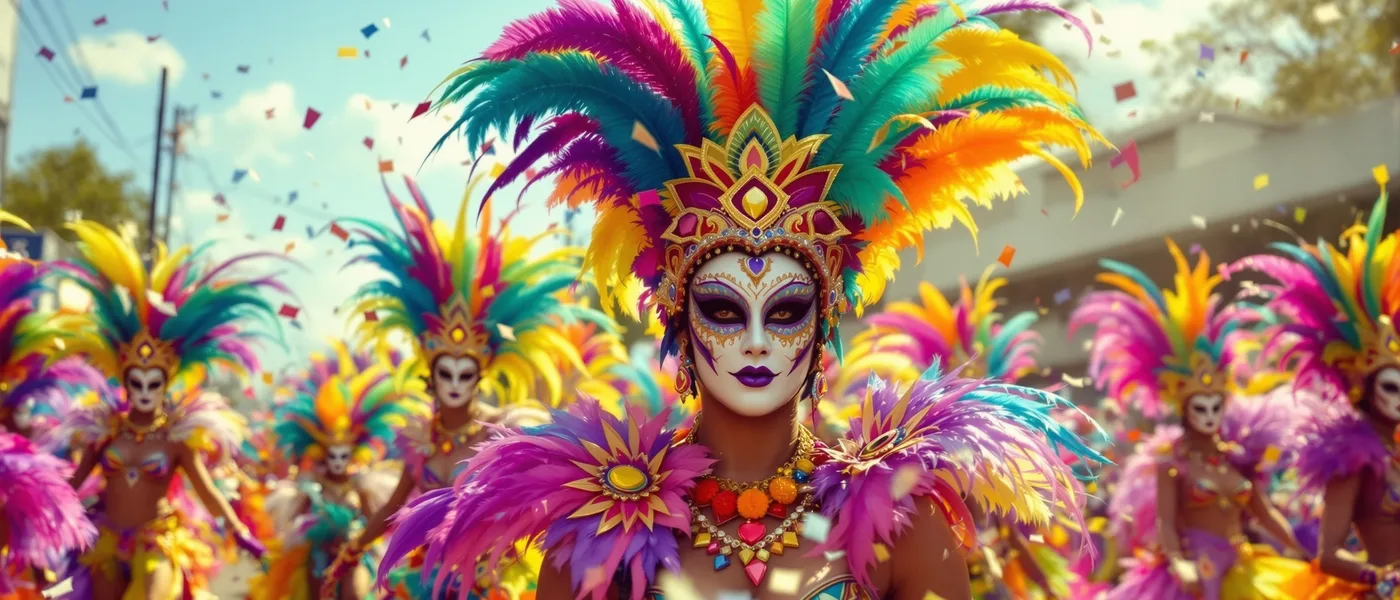
The second-largest carnival in the world after Rio de Janeiro. Four days of parades, cumbia music, elaborate costumes, and a city that shuts down completely to dance in the streets. Held before Lent (February or March). If you are in Colombia during Carnaval, you must be in Barranquilla. Book accommodation months in advance -- prices triple and availability disappears.
- 02
Museo del Caribe
A modern, interactive museum dedicated to Colombian Caribbean culture, music, and history. Exhibits cover everything from cumbia origins to vallenato instruments to the ecology of the Rio Magdalena. The Gabriel Garcia Marquez room recreates scenes from his novels. Entry around 12,000 COP ($3.30). Budget 2-3 hours.
- 03
Malecon del Rio
A recently renovated waterfront promenade along the Rio Magdalena. Walking paths, restaurants, and sunset views over the widest river in Colombia. The transformation of this area from industrial wasteland to public park is one of the city's biggest urban successes. Free to walk. Best in the late afternoon when the breeze picks up.
- 04
Puerta de Oro
The gateway to the Malecon, this massive cultural center and event space sits at the edge of the river. It hosts concerts, art exhibitions, and the Carnaval museo. The architecture itself is worth seeing -- a modern glass and steel structure with views across the Magdalena. Free entry to the public areas.
- 05
Parque Venezuela
A large urban park in the Prado neighborhood that serves as a green escape in the middle of the city. Walking paths, mature trees, and benches where locals come to escape the heat. The surrounding streets of El Prado have some of the most beautiful colonial and Art Deco architecture in the city. Free and safe during daylight.
- 06
FC Junior Soccer Match
Atletico Junior is Barranquilla's beloved soccer team, and attending a match at the Estadio Metropolitano is a cultural experience. The stadium holds 46,000+ and the atmosphere is electric with cumbia, drums, and chanting. Tickets start at 30,000 COP ($8) for general seating. Go with a local who can explain the chants and rivalries.
- 07
Centro Historico Walk
The old commercial center of Barranquilla has been neglected for decades but retains character. Art Deco buildings, the old Customs House (Edificio de la Aduana), and the bustling Paseo Bolivar. It is rough around the edges -- not touristy at all -- but gives you a real sense of the city's mercantile history. Go during the day with a local guide.
- 08
Rio Magdalena Sunset
The Magdalena is Colombia's most important river, and Barranquilla sits at its mouth where it empties into the Caribbean. Watch the sunset from the Malecon or from one of the riverside restaurants in Barrio Abajo. The sky turns orange and pink over the water. Pair it with a cold Club Colombia beer and fried fish.
- 09
Local Seafood Restaurants
Barranquilla's seafood is among the best in Colombia. Arroz con coco (coconut rice) with fried mojarra (tilapia), cazuela de mariscos (seafood stew), and ceviche de camaron (shrimp ceviche) are staples. Try restaurants in the Prado and Alto Prado areas. A full seafood meal with drinks runs 25,000-50,000 COP ($7-$14). Avoid the tourist-priced places near the Malecon.
- 10
Bocas de Ceniza
The point where the Rio Magdalena meets the Caribbean Sea, accessible by a train ride along the western jetty (tajamares). The train is a local adventure: a small open-air railcar that runs along the breakwater for about 20 minutes. The view of river meeting ocean is dramatic. Boats also run from the Malecon. Budget a half day.
Cost of Living
Barranquilla is one of the cheapest major cities in Colombia for expats. There is no tourist markup because there are almost no tourists. Prices reflect actual Colombian costs. The only significant wildcard is electricity for AC, which is essential in this climate.
Monthly Costs (USD, April 2026)
| Expense | Budget | Mid-Range | Comfortable |
|---|---|---|---|
| Rent (1BR apartment) | $200 | $380 | $700 |
| Rent (2BR apartment) | $350 | $600 | $1,100 |
| Utilities (electric, water, gas, AC) | $50 | $100 | $200 |
| Internet (fiber 100+ Mbps) | $18 | $25 | $35 |
| Groceries | $130 | $220 | $370 |
| Eating out (per meal) | $2.50 | $6 | $15 |
| Transmetro bus (single ride) | $0.60 | $0.60 | $0.60 |
| Gym membership | $12 | $25 | $50 |
| Health insurance (EPS) | $0 | $80 | $200 |
| Mobile plan (unlimited data) | $8 | $15 | $25 |
Pros and Cons
Pros
- Carnaval de Barranquilla: A UNESCO-recognized cultural event and an experience that changes how you understand Colombian identity. If you live here, Carnaval becomes your annual highlight.
- Authentic Colombian culture: No expat bubble, no tourist pricing, no gentrification debates. What you see is what you get. Barranquilla is Colombia unfiltered.
- Affordable: The cheapest major city on this list. Your money stretches further here than anywhere else in urban Colombia.
- Friendly people: Barranquilleros (costenos) are legendarily warm and welcoming. Expect to be invited to family gatherings, neighborhood parties, and random asados within weeks of arriving.
- Caribbean spirit: Cumbia music, vallenato, seafood, beer, dominoes in the street, and a general attitude that life should be enjoyed. The energy is infectious.
- Proximity to beaches: Puerto Colombia and Salgar beaches are 20-30 minutes north by car. Not Caribbean postcard beaches, but good enough for regular weekend trips. Cartagena is 2 hours away by bus.
Cons
- Hot and humid: 28-35C (82-95F) with 75-85% humidity year-round. There is no cool season. AC is not optional for comfortable living, and electricity bills reflect that.
- Few expats: You will likely be the only foreigner in your building, your gym, and most restaurants. This forces fast Spanish learning but can feel isolating if you need an English-speaking community.
- Industrial port city feel: Barranquilla is not conventionally attractive. The architecture outside El Prado is utilitarian. Traffic is chaotic. The urban landscape is flat and industrial in many areas.
- Less tourism infrastructure: Fewer English menus, no "expat-friendly" apartment brokers, limited coworking spaces. You need to be self-sufficient and speak Spanish.
- Limited international flights: Ernesto Cortissoz Airport (BAQ) has some direct flights to Miami and Panama City but far fewer options than Bogota, Medellin, or even Cartagena. Most international travel routes through Bogota.
- Water and power outages: Infrastructure in some neighborhoods is aging. Brief power cuts and water outages occur more frequently than in Medellin or Bogota. Verify your building has backup tanks and a generator.
Practical Tips
Getting There
Ernesto Cortissoz International Airport (BAQ) is 10 km south of the city center. Taxis to Alto Prado or El Prado cost 25,000-40,000 COP ($7-$11). Uber works but availability is lower than in Medellin or Bogota. Direct flights from Miami on Avianca, with newly announced JetBlue Fort Lauderdale service (verify current schedule with JetBlue). Spirit Airlines ceased operations in May 2026. Connections through Bogota available on all major carriers. If arriving by bus from Cartagena (2 hours) or Santa Marta (2 hours), you will land at the Terminal Metropolitana de Transportes in the south of the city.
Getting Around
Transmetro is Barranquilla's bus rapid transit system, covering the main north-south corridor. A single ride costs ~3,000 COP (~$0.82) in 2026 — verify with Transmetro, fares adjust annually. Coverage is limited -- you will need taxis and ride-hailing apps for most crosstown trips. Uber and DiDi work but with fewer drivers than in larger cities -- see our rideshare guide for app setup tips. Taxis are unmetered -- negotiate the fare before getting in. Short rides within the northern neighborhoods cost 6,000-12,000 COP ($1.70-$3.30).
Finding an Apartment
The rental market in Barranquilla is relaxed. FincaRaiz.com.co has listings but many rentals are found through word of mouth, "Se Arrienda" signs, and local real estate agents (inmobiliarias). Landlords are generally flexible with foreigners. Expect to pay 2-3 months upfront if you lack a Colombian guarantor. Furnished apartments exist but are less common than in Medellin. Many apartments come with basic appliances (stove, fridge) but no furniture.
Surviving the Heat
AC is your lifeline. When apartment hunting, check the AC units (inverter technology is more energy efficient), count the number of units (you want one in the bedroom at minimum), and ask for recent electric bills. A single inverter AC unit running 8-10 hours daily adds roughly 150,000-250,000 COP ($42-$69) to your monthly bill. Also look for apartments with good cross-ventilation as backup. Stay hydrated constantly -- carry a water bottle everywhere.
Learning Spanish
You will learn Spanish fast in Barranquilla because you have no choice. There are almost no English speakers in daily life. Costeno Spanish is faster and more informal than highland Colombian Spanish, with dropped "s" sounds and regional slang. It can be harder to understand initially but you will adapt within weeks. Consider starting with a private tutor (50,000-80,000 COP / $14-$22 per hour) for the first month.
Safety Tips
Northern Barranquilla (El Prado north to Riomar) is generally safe during the day and evening. Use common sense at night: take taxis rather than walking, avoid displaying electronics, and stay in well-lit areas. The Centro Historico is fine during business hours but empties out and becomes risky after dark. During Carnaval, petty theft spikes -- leave valuables at home and carry only what you need.
Festivals and Events
Carnaval de Barranquilla
UNESCO-recognized carnival and the second largest in the world after Rio. Four days of parades, cumbia, and costumes.