Medellin
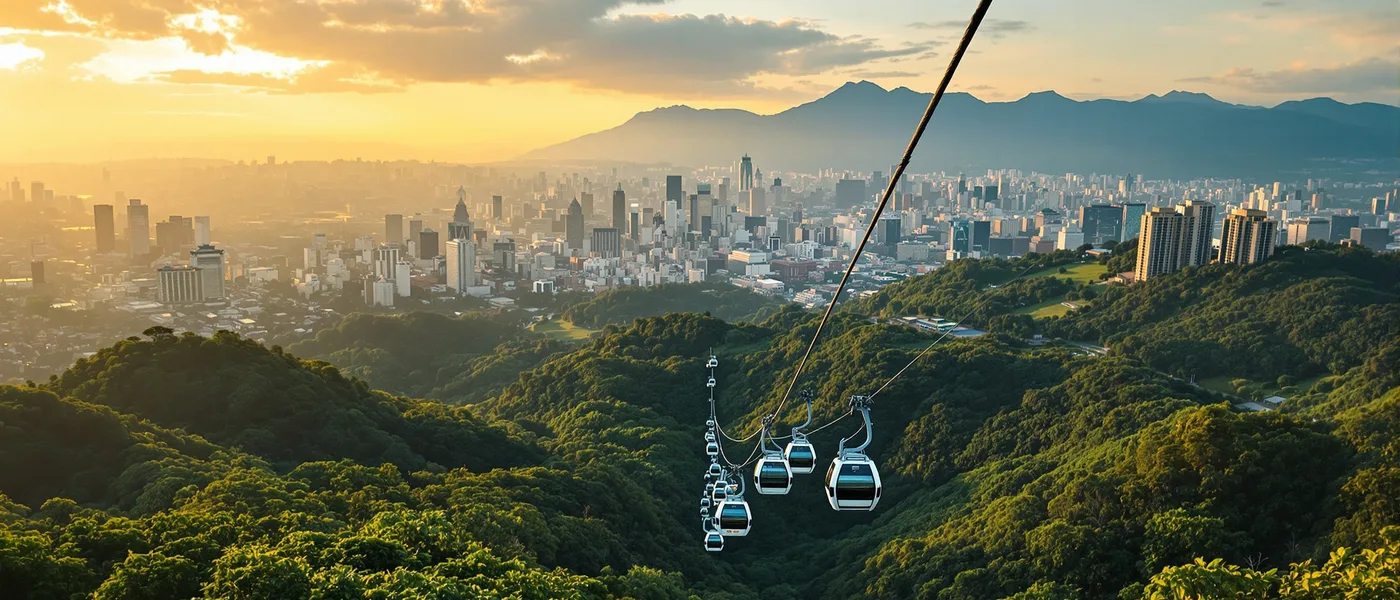
Eternal spring, metro cable views, and the largest expat community in Colombia
Overview
Medellin is the default landing spot for expats in Colombia, and for good reason. The weather sits at 22C (72F) year-round thanks to the city's position in the Aburra Valley at 1,495 meters elevation. Locals call it "the city of eternal spring" and that is not marketing hype. You will rarely need a jacket or air conditioning.
The city has the only metro system in Colombia, a large and growing expat community (estimates vary widely, often cited in the 10,000–30,000 range — no official Migración Colombia figure is published), reliable fiber internet, and a cost of living that lets you live well on $1,500-$2,500/month. Medellin also has direct flights to Miami, Fort Lauderdale, New York, and several other US cities.
The downside: El Poblado has become a gentrified bubble where prices are double what locals pay, and the "digital nomad" reputation has created friction with residents in some areas. Step outside the tourist corridor and you will find a completely different (and more affordable) city.
Neighborhoods
El Poblado (Estrato 6)
The expat epicenter. High-rise apartments, international restaurants, coworking spaces, and English-speaking services everywhere. Parque Lleras is the nightlife hub. Expect to pay 2.5-4.5 million COP ($600-$1,100) for a one-bedroom. The convenience is real but so is the price inflation. You will pay gringo prices at most restaurants and the area feels less Colombian than anywhere else in the city.
Laureles (Estrato 4-5)
Increasingly popular with expats who want the infrastructure without the Poblado markup. Tree-lined streets, walkable grid layout, excellent bakeries and cafes, and a growing number of coworking spaces. The Primer Parque and Segundo Parque areas are the sweet spots. Rent runs 30-40% cheaper than Poblado. The neighborhood feels authentically Colombian while still being safe and convenient.
Envigado (Estrato 4-5)
A separate municipality just south of Poblado that functions as a Medellin neighborhood. Quieter, more residential, with some of the best restaurants in the metro area along the Calle de la Buena Mesa. Excellent bakeries, parks, and a strong local community. Rent is similar to Laureles. The metro does not reach here directly but buses and taxis connect you in 15-20 minutes.
Belen (Estrato 3-4)
West of the city center, Belen is where working-class Medellin lives. Few tourists, almost no English, and rent that starts at 1 million COP ($250) for a decent one-bedroom. Great almuerzo ejecutivo (set lunch) for 10,000-14,000 COP ($2.80-$3.90). The Belen metro station connects you to the entire system. This is the neighborhood for people who actually want to learn Spanish and live on a budget.
Sabaneta (Estrato 3-4)
The southernmost municipality in the metro area, growing fast with new apartment towers and shopping centers. The central park area has excellent nightlife (especially the salsa bars) and the vibe is younger and more local. Rent starts around 1.2 million COP ($300). The metro line A runs all the way here. The trade-off is a 40-50 minute commute to Poblado.
Top 10 Things to See and Do
- 01
Plaza Botero
Fernando Botero donated 23 massive bronze sculptures to his hometown. The open-air plaza in front of the Museo de Antioquia is free to visit any time. Go early morning before the crowds.
- 02
Comuna 13 Graffiti Tour
Once the most dangerous neighborhood in Medellin, Comuna 13 is now a vibrant hillside covered in street art. Take a guided walking tour with a local to understand the history behind the murals. Budget 3-4 hours.
- 03
Parque Arvi
Take the metro cable from Acevedo station to this sprawling nature reserve above the city. Hiking trails, butterfly gardens, and weekend food markets. The cable ride itself is worth the trip.
- 04
Metro Cable Ride
Medellin built Latin America's first metro cable system to connect hillside barrios to the valley. Lines J and K offer jaw-dropping views over the entire valley. Costs the same as a regular metro ticket.
- 05
Guatape Day Trip
Two hours east of Medellin, climb the 740 steps of La Piedra del Penol for panoramic views of the reservoir. Rent a tuk-tuk in the colorful town of Guatape. Buses leave from Terminal del Norte every 30 minutes.
- 06
El Poblado Nightlife
Parque Lleras and surrounding streets come alive Thursday through Saturday. Rooftop bars, salsa clubs, reggaeton spots, and craft cocktail lounges. See the <a href="/nightlife/">Colombia nightlife guide</a> for tips on staying safe while going out. Drinks run 15,000-40,000 COP ($4-$11).
- 07
Mercado del Rio Food Hall
A converted warehouse with 40+ food stalls serving everything from ramen to arepas to Peruvian ceviche. Most plates are 20,000-35,000 COP ($5.50-$10). Great for lunch with a group.
- 08
Parque Lleras
The social heart of El Poblado. Outdoor seating, people-watching, and a rotating cast of street performers. Safe and walkable, surrounded by restaurants and bars. Busy every night of the week.
- 09
Museo de Antioquia
The main art museum in Medellin, housed in a gorgeous Art Deco building. Strong collections of Botero, Colombian contemporary art, and rotating international exhibits. Entry around 18,000 COP ($5).
- 10
Jardin Botanico
A 14-hectare botanical garden in the middle of the city, right next to the Parque Explora science museum. Free entry. The butterfly house and orchid garden are highlights. Perfect for a slow morning.
Cost of Living
Medellin is affordable by North American standards but no longer the bargain it was in 2019. El Poblado prices have roughly doubled since the digital nomad wave. Outside the tourist corridor, Colombia-level prices still apply.
Monthly Costs (USD, April 2026)
| Expense | Budget | Mid-Range | Comfortable |
|---|---|---|---|
| Rent (1BR apartment) | $350 | $600 | $1,100 |
| Rent (2BR apartment) | $500 | $850 | $1,600 |
| Utilities (electric, water, gas) | $40 | $65 | $100 |
| Internet (fiber 100+ Mbps) | $20 | $25 | $35 |
| Groceries | $150 | $250 | $400 |
| Eating out (per meal) | $3 | $7 | $15 |
| Metro / bus (single ride) | $0.75 | $0.75 | $0.75 |
| Gym membership | $20 | $35 | $60 |
| Health insurance (EPS) | $0 | $80 | $200 |
| Mobile plan (unlimited data) | $8 | $15 | $25 |
Pros and Cons
Pros
- Weather: 22C year-round with no heating or AC needed. Genuinely perfect climate.
- Metro system: The only metro in Colombia. Clean, safe, efficient, and cheap at ~3,500 COP (~$0.96) per ride in 2026.
- Expat community: Established English-speaking community with Facebook groups, meetups, coworking spaces, and services. Easy soft landing.
- Cost of living: Even with gentrification, $1,500-$2,000/month buys a comfortable life in most neighborhoods.
- Direct flights to the US: JetBlue, Avianca, and others fly nonstop to Miami, Fort Lauderdale, New York, and more. (Spirit Airlines ceased operations in May 2026.)
- Internet: Fiber connections of 200-600 Mbps are widely available for $20-$35/month through Tigo, Claro, or ETB.
Cons
- Gentrification in Poblado: Tourist pricing, Airbnb-driven rent increases, and growing resentment from locals toward the "digital nomad" crowd.
- Safety at night: While generally safe, certain areas (parts of Centro, La 70 after 2am) require street smarts. Petty theft targets distracted foreigners. Read the full Colombia safety guide for more detail.
- Rainy season: October and November bring daily afternoon downpours. Always carry a light jacket or umbrella.
- Noise: Colombian cities are loud. Motorcycles, reggaeton, construction, barking dogs. If you need silence, look for apartments on higher floors away from main roads.
- Short-term rental crackdown: The city is tightening Airbnb regulations. If you plan to rent short-term while apartment hunting, book in areas zoned for tourism.
Practical Tips
Getting There
Jose Maria Cordova International Airport (MDE) is 45 minutes east of the city in Rionegro. Airport taxis cost around 90,000-110,000 COP ($25-$31). You can also take the airport bus to San Diego mall for 15,000 COP ($4.20) and grab a taxi from there. Uber and DiDi work from the airport but drivers sometimes ask you to meet them in the parking structure to avoid fines.
Getting Around
The metro system is your backbone. Line A runs north-south through the valley, Line B branches west to San Javier, and metro cables reach the hillside neighborhoods. Buy a Civica card (rechargeable transit card) at any station for 5,000 COP. Single rides cost ~3,500 COP regardless of distance (2026 fare; verify with Metro de Medellín). Uber and DiDi are widely used despite operating in a legal gray area. InDriver lets you negotiate fares.
Finding an Apartment
Do not sign a lease before arriving. Book an Airbnb or hostel for 2-4 weeks and apartment hunt in person. Our renting apartments guide covers the full process. FincaRaiz.com.co and Properati.com.co are the main listing sites. Facebook groups like "Expats in Medellin" and "Medellin Rentals" post listings daily. Expect landlords to ask for a Colombian guarantor or 3-6 months upfront if you lack one. Furnished apartments are common and usually include a washing machine.
Internet and Coworking
Fiber internet is available in most urban areas. Tigo, Claro, and ETB offer plans from 100 Mbps to 600 Mbps for $20-$35/month. Installation takes 3-7 days. For coworking, Selina in Laureles and Poblado, Tinkko, and Atom House are popular. Day passes run 30,000-60,000 COP ($8-$17).
Safety Tips
Do not walk around looking at your phone, especially at night. Use ride-hailing apps after dark instead of walking. Keep valuables in front pockets or a crossbody bag. Avoid Centro after 8pm unless you know the area well. The general rule in Colombia applies: "no dar papaya" (don't give papaya) means don't make yourself an easy target.
Festivals and Events
Feria de las Flores
Flower festival with the famous Desfile de Silleteros parade through the city.
Festival de Poesia
International poetry festival drawing writers from across Latin America.