Santa Marta
Gateway to Tayrona and the Sierra Nevada, with a laid-back beach town feel
Overview
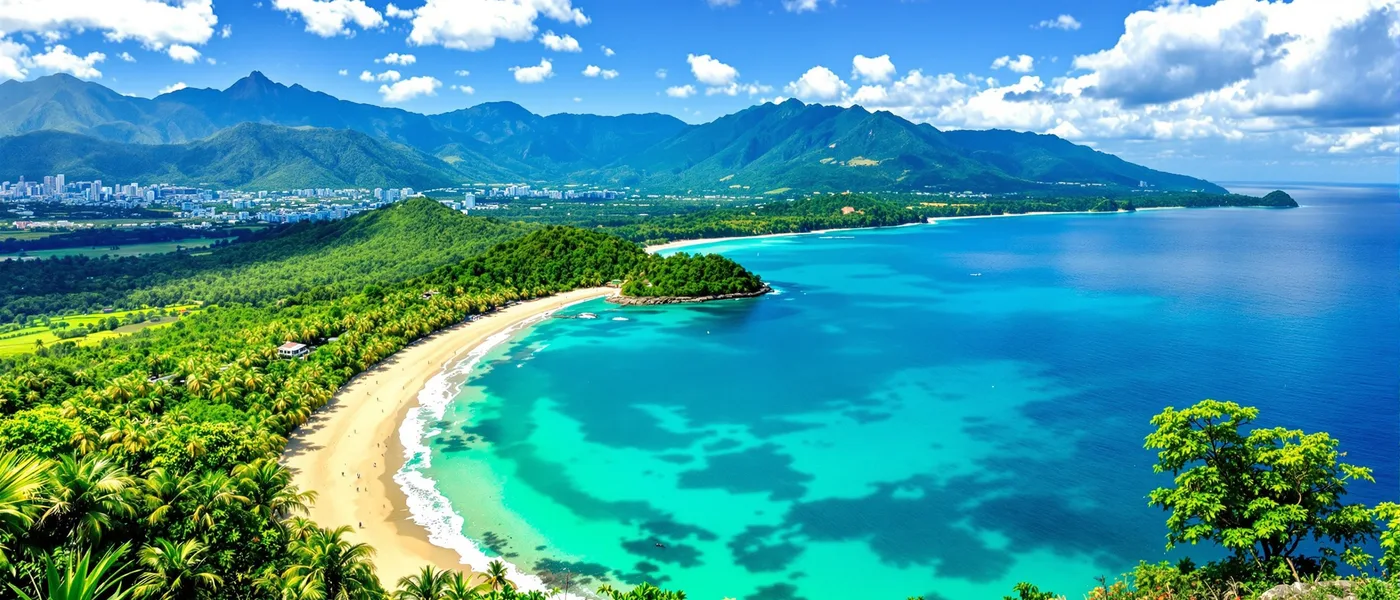
Santa Marta is Colombia's oldest surviving city, founded in 1525. It sits on the Caribbean coast where the Sierra Nevada mountains plunge into the sea — one of the most dramatic geographic settings in the Americas. The city proper has roughly 566,000 people (2018 census), but it feels smaller than that number suggests.
This is not Cartagena. There are no massive cruise ships, no $20 cocktails in a walled city, and no Instagram influencers on every corner. Santa Marta is rougher around the edges, more authentic, and significantly cheaper. It's the launching point for Tayrona National Park, the Ciudad Perdida trek, and the cool mountain village of Minca.
For expats, Santa Marta offers affordable Caribbean living without the tourist premium. But it comes with trade-offs: serious heat (30C+ daily), developing infrastructure, and a rainy season that can be intense from September through November. The small but growing expat community is centered around El Rodadero and, increasingly, the Centro Historico.
Neighborhoods and Barrios
El Rodadero (Estrato 4-5)
The main tourist and expat beach area, a separate bay about 10 minutes south of the city center. El Rodadero has the most developed infrastructure for foreigners: restaurants, supermarkets (Exito), pharmacies, and beach access. A furnished 1BR apartment runs 1,200,000-2,200,000 COP/month ($333-611 USD). The area is safe and walkable, but it's touristy — prices at beachfront restaurants are higher than the rest of the city. Many Colombian vacationers flock here during holidays, so December-January gets crowded and loud.
Centro Historico (Estrato 3-4)
The colonial center is undergoing a slow revival. Restored buildings now house boutique hotels, cafes, and co-working spaces alongside older, unrenovated blocks. Rent is cheaper — 800,000-1,400,000 COP/month ($222-389 USD) for a 1BR. The trade-off is some streets feel sketchy after dark, especially east of Carrera 5. But the trend is upward, and the walkability is the best in the city. If you want local life at ground level, this is where to be.
Bello Horizonte (Estrato 5-6)
An upscale residential neighborhood on the hills above the city with sea views. Quieter, greener, and cooler than the beach areas. Modern apartments and houses, some with pools. Rent starts at 1,800,000 COP/month ($500 USD) and climbs. You'll need a car or moto to get around — it's not walkable for daily errands. Popular with wealthier Colombian families and a few long-term foreign residents who prioritize space and quiet.
Taganga (Estrato 2-3)
A small fishing village 15 minutes north of the city center, wedged into a cove. Taganga was the original backpacker hub before it got a rough reputation. It's improved in recent years but remains basic: dusty roads, limited services, and a bohemian vibe. Rent is cheap — 600,000-1,000,000 COP/month ($167-278 USD) for basic furnished rooms or apartments. The sunsets are legendary, diving shops offer PADI certifications at low prices, and the pace of life is genuinely slow. Not for everyone, but those who love it really love it.
Pozos Colorados (Estrato 5)
A quiet residential stretch along the coastal road between Santa Marta and El Rodadero. Newer apartment buildings, some gated complexes with pools, and direct beach access. Less commercial than Rodadero, more convenient than Bello Horizonte. A 1BR runs 1,400,000-2,000,000 COP/month ($389-556 USD). This is a good middle ground if you want beach proximity without the tourist scene.
- 01
Tayrona National Park
Colombia's most famous national park, 34 km east of the city. Pristine Caribbean beaches backed by Sierra Nevada jungle. Cabo San Juan is the iconic postcard spot. Entry is roughly 88,500 COP (~$24 USD) for foreigners in high season. IMPORTANT: as of February 17, 2026, Tayrona has been closed with no announced reopening date due to security threats from the armed group ACSN. Check parquesnacionales.gov.co for current status before traveling. See our Tayrona closure blog for the full backstory.
- 02
Ciudad Perdida Trek
The 4-5 day trek to the "Lost City" starts from Santa Marta. Built by the Tairona people around 800 AD — 650 years before Machu Picchu. The trek costs $250-350 USD through licensed operators and includes guides, food, and hammock camping. Book at least a week in advance during high season.
- 03
Minca Mountain Village
A cool-air escape at 660m elevation, just 45 minutes from the city's heat. Coffee farms, waterfalls (Pozo Azul, Marinka), bird watching, and hostels with Sierra Nevada views. A colectivo from Santa Marta's market costs 10,000 COP (~$2.80 USD).
- 04
Playa Blanca via Taganga
Take a 20-minute boat from Taganga fishing village to this secluded beach. Crystal-clear water, good snorkeling, and local vendors selling fried fish and beer. Boat rides cost about 15,000 COP ($4.20 USD) round trip. Bring your own snorkel gear for the best experience.
- 05
El Rodadero Beach
The city's main resort beach — a crescent bay with calm water, beachfront restaurants, and the aquarium nearby. Touristy but convenient. The beach itself is free. Rent a chair and umbrella for 15,000-20,000 COP ($4.20-5.50 USD) for the day.
- 06
Quinta de San Pedro Alejandrino
The hacienda where Simon Bolivar died on December 17, 1830. Now a museum and botanical garden with mature tropical trees. Entry is about 25,000 COP (~$7 USD). Worth it for the history and the shaded gardens — a peaceful break from the heat.
- 07
Centro Historico Walk
Santa Marta's colonial center is compact and walkable. The white Cathedral on Plaza Bolivar dates to 1766. The surrounding blocks have been revitalized with cafes, hostels, and street art. Best explored in the cooler morning or late afternoon hours.
- 08
Sierra Nevada de Santa Marta
The highest coastal mountain range in the tropics rises directly from the Caribbean to roughly 5,700m (Pico Cristóbal Colón). You can't summit without indigenous Kogi permission, but the foothills above Minca offer stunning views and birdwatching. The Sierra is home to 4 indigenous groups (Kogi, Arhuaco, Wiwa, Kankuamo) who largely govern their own territory.
- 09
Sunset from Taganga
The fishing village of Taganga sits in a cove facing west — perfect for Caribbean sunsets. Grab a beer from a tienda, sit on the malecón wall, and watch the sky turn orange over the bay. This is the most relaxed sunset spot on the entire Colombian coast.
- 10
Seafood at La Pescaderia
Fresh catch of the day prepared simply: fried, grilled, or in coconut rice. The pescaderias (fish markets with attached restaurants) near the marina and along Rodadero serve cazuela de mariscos (seafood stew) for 25,000-40,000 COP ($7-11 USD). Order the pargo rojo entero (whole red snapper) — it's the local specialty.
Cost of Living
Santa Marta is one of the cheapest coastal cities in Colombia. You'll spend significantly less than Cartagena (30-40% less on rent alone) and slightly less than Barranquilla for a similar lifestyle. The one cost that catches people off guard is electricity — running AC in the heat adds real money to your monthly budget.
A single person living comfortably in El Rodadero or Centro, eating out several times a week, and doing weekend trips to Minca or Tayrona can budget $700-900 USD/month. Couples sharing a 2BR can manage $1,000-1,400 USD/month total.
Monthly Costs — Santa Marta (USD)
| Expense | Budget | Mid-Range | Comfortable |
|---|---|---|---|
| Rent (1BR apartment) | $180 | $320 | $550 |
| Rent (2BR apartment) | $280 | $480 | $800 |
| Utilities (electric, water, gas) | $35 | $60 | $100 |
| Internet (fiber) | $15 | $22 | $30 |
| Groceries | $100 | $150 | $230 |
| Dining out (per meal) | $2 | $5 | $15 |
| Transportation (monthly) | $15 | $25 | $50 |
| Health insurance (EPS) | $0 | $40 | $100 |
| AC electricity surcharge | $20 | $40 | $70 |
| Total (single person) | $430 | $750 | $1,350 |
Pros and Cons
Pros
- Tayrona access. Colombia's best national park is 45 minutes from your front door. Weekend trips become routine.
- Mountains meet the sea. The Sierra Nevada rising directly from the coast creates a unique landscape you won't find anywhere else in Colombia. Minca is 45 minutes away for a cool-air escape.
- More authentic than Cartagena. No cruise ship crowds, fewer tourist traps, and local culture is more accessible. You'll eat where samarios eat, not where tourists eat.
- Affordable Caribbean living. 30-40% cheaper than Cartagena for comparable apartments and food.
- Ciudad Perdida access. The 4-5 day Lost City trek launches from here — one of the top trekking experiences in South America.
- Fresh seafood. Caught daily and cheap. Whole grilled fish for $5-8 USD at beachside pescaderias.
- Improving infrastructure. The Centro Historico is being restored, the waterfront (Camellon) was recently upgraded, and new residential developments are appearing in Pozos Colorados and Bello Horizonte.
Cons
- Brutal heat. 30-32C with high humidity every single day. The January-March dry season is the worst — barely any breeze. This is non-negotiable: you need AC.
- Infrastructure still developing. Power outages happen. Water pressure can be inconsistent in some neighborhoods. Roads outside the main areas are rough.
- Rainy season is intense. September through November brings heavy downpours that can flood low-lying streets. Tayrona closes periodically during these months.
- Limited nightlife. El Rodadero has a few bars and clubs, but this is not a party city. Cartagena and Barranquilla are hours away for a proper night out.
- Security varies by area. El Rodadero and Bello Horizonte are safe. Parts of the Centro and streets east of Carrera 5 require more awareness, especially at night. See our full Colombia safety guide for general precautions.
- Small expat community. Growing but still small. You'll need to build your own network, and Spanish is essential for daily life.
Practical Tips
Getting There
Simon Bolivar International Airport (SMR) is 15 minutes south of the city. Avianca and LATAM have multiple daily flights to Bogota ($40-100 USD one-way, 1.5 hours). Wingo and Viva sometimes offer direct routes to Medellin. International flights usually connect through Bogota or Cartagena. A taxi from the airport to El Rodadero costs about 20,000-25,000 COP ($5.50-7 USD). Our airport transfers guide covers how to arrange safe pickups at any Colombian airport.
Getting Around
Local buses cost 2,200 COP (~$0.60 USD) and cover the main routes between Centro, El Rodadero, and Taganga. For point-to-point trips, InDriver and DiDi are the go-to apps. A ride from Centro to Rodadero costs about 8,000-12,000 COP ($2.20-3.30 USD). Motos (motorcycle taxis) are common but wear a helmet — they should provide one. For Tayrona, colectivos leave from the market area for about 15,000 COP ($4.20 USD).
Finding an Apartment
FincaRaiz.com.co and MetroCuadrado.com have listings, but many rentals in Santa Marta are informal — found through word of mouth, Facebook groups ("Arriendos Santa Marta"), or walking around and looking for "Se Arrienda" signs. For short-term furnished rentals, Airbnb is still widely used here, especially in El Rodadero. Negotiate directly with landlords for monthly rates — you can often get 30-50% off Airbnb prices by signing a direct contract.
Healthcare
Clinica Mar Caribe and Clinica El Prado are the main private hospitals. For routine care, they're adequate. For serious emergencies or specialized procedures, many people travel to Barranquilla (2 hours) or Bogota. A private doctor visit costs 60,000-100,000 COP ($17-28 USD). Pharmacies (Drogueria Olímpica, La Rebaja) are on every major street.
Internet and Remote Work
Fiber internet is available in most of El Rodadero and Bello Horizonte, but coverage can be spotty in the Centro and Taganga. Claro and Movistar offer plans of 100+ Mbps for 55,000-80,000 COP/month ($15-22 USD). Coworking spaces are limited — Selina in the Centro has a popular coworking area, and a few independent spaces have opened in Rodadero. Test the internet in any apartment before signing a lease, especially outside the main estrato 4+ areas.
Visa Notes
Same national rules apply. Tourist visa: 90 days, extendable to 180. The local Migracion Colombia office is on Calle 22 in the Centro — less crowded than big city offices. If you're doing the Ciudad Perdida trek, tour operators handle park permits, but keep your passport (or a copy) on you at all times — there are occasional police checkpoints on the road to the trailhead.
Festivals and Events
Fiesta del Mar
Maritime festival celebrating the city's coastal heritage with water sports and music.