Is Cartagena Safe? An Honest Look (and the Calm Coast Locals Prefer)
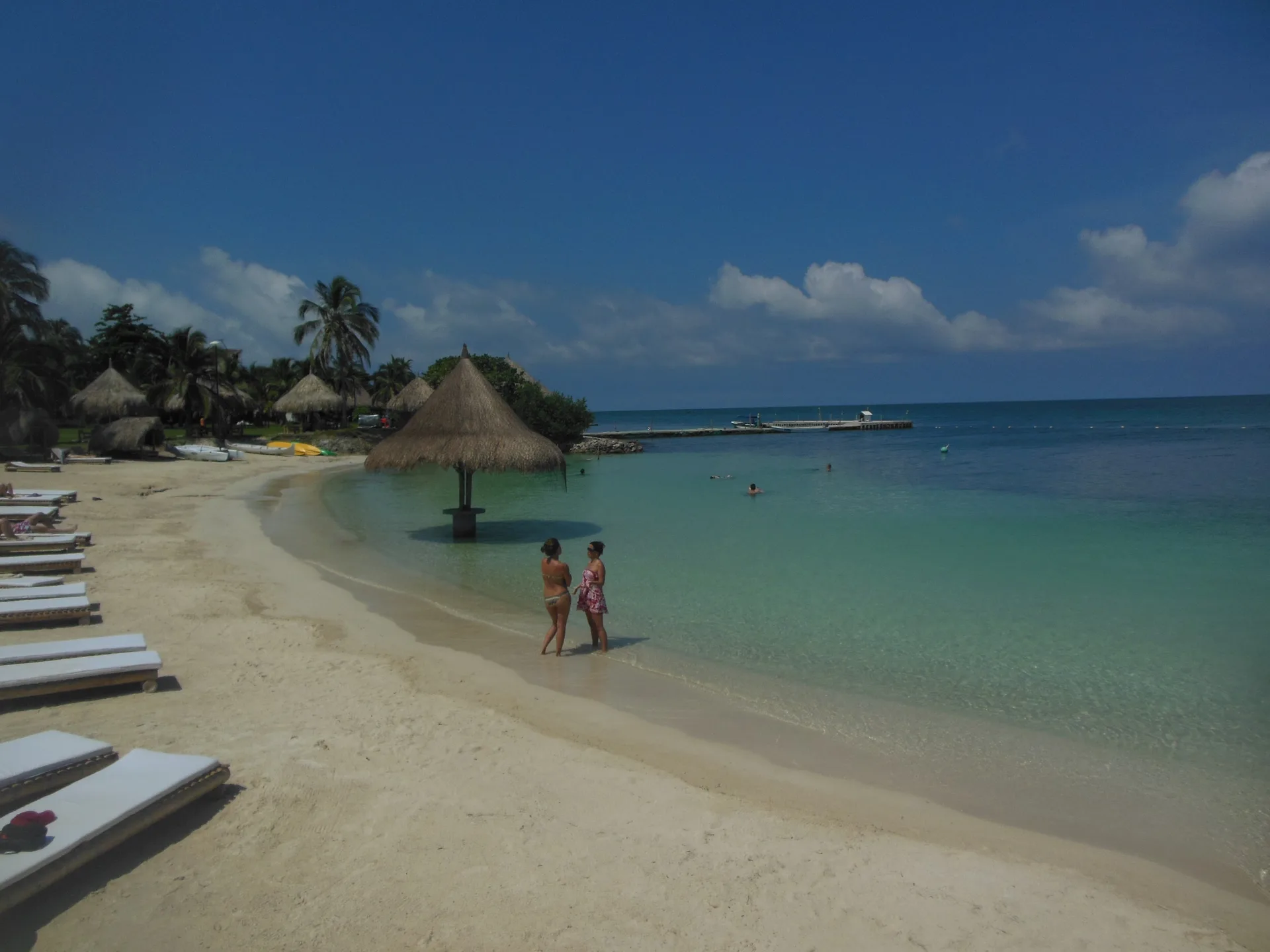
Short answer: yes, most people visit Cartagena without any trouble. It is one of the most popular tourist cities in Colombia, and millions of visitors walk its old-city streets every year and go home with nothing worse than a sunburn. But “safe” is the wrong question. The honest question is what kind of trip you want, because Cartagena’s real problem for first-time visitors is not violence. It is the constant, low-level hustle.
This is an honest look at what you are actually walking into, so you can decide with clear eyes.
What the travel advisory really says
The United States currently has a Level 3 “Reconsider Travel” advisory for Colombia, issued in March 2026. That sounds alarming, and it is worth understanding rather than reacting to.
The advisory covers the whole country, and the serious warnings that drive that level are about specific regions, not the Caribbean coast. The “Do Not Travel” zones are places like Arauca, most of Cauca, Valle del Cauca outside Cali, Norte de Santander, and the area within a few miles of the Venezuela border, where crime, armed groups, and kidnapping are real concerns. Cartagena, on the Caribbean coast, is not one of those zones. Neither are the coastal areas of Bolivar and Sucre.
In plain terms: the advisory level is set by the hardest, most remote conflict areas of the country. It does not mean a beach trip to the coast is a Level 3 risk. Millions of tourists and locals move through Cartagena safely every year. You should still read the current advisory yourself before you book, because these things change, but you should read it in context.
The real risk in Cartagena is scams, not violence
Violent crime against tourists in the main areas of Cartagena is uncommon. What is common, and what actually ruins trips, is a well-practiced scam economy built around foreigners. Here are the ones travelers report most often.
- The beach-vendor surprise bill. On the popular beaches near Cartagena, vendors offer drinks, snacks, or a massage that feel free or cheap. Then the bill arrives and it is shocking. Travelers have reported paying over 100 dollars for a few cocktails and a plate of seafood they never clearly agreed to buy.
- The bracelet scam. A friendly stranger ties a “gift” bracelet on your wrist near Plaza Santo Domingo or the Torre del Reloj, then demands money and gets aggressive if you refuse.
- Taxi overcharging. Many Cartagena taxis have no meter. Drivers quote inflated prices to tourists or take long routes. Always agree on the fare before you get in.
- Scopolamine. Drugging robberies are rare but real. Never accept a drink from a stranger, and be careful on dating apps and in nightlife.
- Tour and “guide” scams. Vague street offers for island tours and city tours are often low quality or a setup for a bigger bill. Book through your hotel or a reputable operator.
None of this makes Cartagena a dangerous city. It makes it a tiring one. For a lot of first-time visitors, the memory of Cartagena is not the beautiful old city. It is the feeling of being a walking wallet, negotiating and saying no all day.
Who Cartagena overwhelms
Cartagena is genuinely beautiful, and if you love a busy, historic, walkable city with great restaurants and nightlife, you should go and see it. It rewards travelers who speak some Spanish, who are comfortable haggling, and who do not mind crowds and heat and cruise-ship days.
It overwhelms a different kind of traveler: families with young kids, couples who want to actually rest, retirees, and remote workers who came to unplug, not to spar with vendors. If your idea of a Caribbean trip is quiet mornings, warm calm water, and fresh fish without a fight over the check, Cartagena is not really built for that.
The calm coast locals prefer
Colombians who want a relaxed beach week often skip Cartagena entirely and drive down the coast to the Gulf of Morrosquillo, to two small towns called Tolu and Coveñas.
These are real fishing and farming towns, not a tourist machine. The water is warm and calm, the beaches are quiet on weekdays, and there is no scam economy working the sand, because there simply are not enough foreigners for one to exist. From Tolu you can take a boat to the San Bernardo Islands, an archipelago of turquoise water and coral reefs that rivals far more famous and expensive destinations. You can read the full guide to the area on our Tolu and Coveñas page.
The trade-off is honest: Tolu and Coveñas have basic infrastructure, limited English, and no resort polish. That is exactly why they stay calm. For a lot of travelers, that is the whole point.
How to have a hassle-free coast trip
You can do Tolu and Coveñas independently if you speak Spanish and enjoy figuring things out. Many people do.
If you would rather have the whole thing handled, that is what our family does. We live on this coast, and one of us is an active-duty military member based in Coveñas. We arrange the airport pickup, the transport, the lodging, the island boats, and the food, so there are no hustlers, no scams, and nothing for you to negotiate alone. Every trip is custom and quoted by hand. If that sounds like the trip you actually want, tell us about your trip and we will send you a plan.
Cartagena is safe enough for most travelers who stay alert and keep their guard up. The real question is whether you want a trip where you have to. On this coast, you do not.
Sources
Every figure on this page was checked against these directly. Where they disagree with us, they are right.
- travel.state.gov/en/international-travel/travel-advisories/colombia.html
- co.usembassy.gov/travel-advisory-colombia-march-2026/
- worldnomads.com/travel-safety/south-america/colombia/tourist-scams