Colombia Presidential Runoff, June 21, 2026: Candidates and What Expats Should Know
Result (June 21, 2026, preliminary): Abelardo de la Espriella won the runoff with about 49.66 percent to Iván Cepeda’s 48.70 percent, the narrowest margin in Colombian runoff history. The count is preliminary preconteo from the Registraduría and official confirmation is still pending. For the full breakdown and what it means for expats, see our Colombia presidential runoff result.
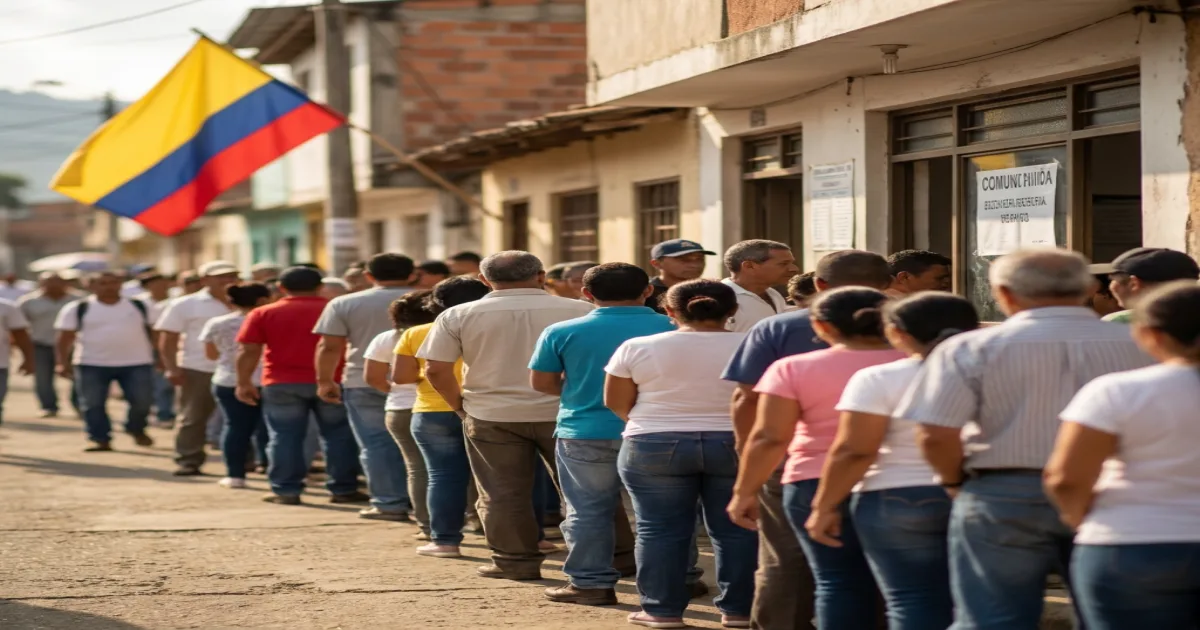
Colombia held its presidential runoff on Sunday, June 21, 2026, after no candidate cleared 50 percent in the first round on May 31. For foreigners living in or visiting the country, the weekend brought concrete changes to daily routines, travel, and commerce even though you cannot cast a ballot. Here is what the ballot looked like, what restrictions applied, and how to avoid inconvenience.
Who Is on the Ballot
The two candidates are Abelardo de la Espriella and Iván Cepeda. De la Espriella, who leans right, finished first in the initial round with about 43.7 percent, or more than 10.3 million votes. His running mate is José Manuel Restrepo, a former finance minister. Cepeda, of the left-leaning Pacto Histórico, placed second with about 40.9 percent, or more than 9.6 million votes. He is paired with vice-presidential candidate Aida Quilcué, an Indigenous leader. Colombia’s constitution requires each ticket to keep the same presidential and vice-presidential formula that was registered for the first round, so neither campaign can swap running mates for the runoff. More than 41 million citizens were eligible to vote in this second round. Polling stations were open from 8:00 AM to 4:00 PM on Sunday.
Where the Race Stands
A recent AtlasIntel poll showed de la Espriella at 52.2 percent and Cepeda at 44.5 percent among decided voters, giving the former a lead of about 7.8 points. That margin suggests a competitive but not tight race, though polling merits caution. Pre-first-round surveys had wrongly favored Cepeda, and Colombian electorates can shift quickly in the final weeks. Treat these numbers as a snapshot, not a prediction. The outcome will determine the tone of economic policy, social programs, and security strategy for the next four years.
What Changes on Election Weekend
Runoff weekend brings a nationwide ley seca, or alcohol ban, plus tightened public order rules that mirror the first round. The national dry law runs from Saturday, June 20, at 6:00 PM to Monday, June 22, at 12:00 noon. Bogotá extended its local ban to begin earlier, from the start of Friday, June 19, through Monday, June 22, at noon. Colombian law allows mayors to extend the restriction but not to shorten it, so tourist cities such as Medellín, Cartagena, and Cali may impose wider windows. Check your local alcaldía notice at least 48 hours before you make weekend plans. Delivery apps usually comply automatically, so do not count on late-night orders. For the full dry law and border closure logistics, see our guide to Colombia election weekend ley seca and border closure.
Daily Life and Travel for Expats
Foreign residents and tourists cannot vote, but the runoff still shapes the weekend. Bars, restaurants, liquor stores, and often delivery apps will suspend alcohol sales during the ban. Restaurants may operate but will likely serve dry menus. Expect heavier police presence at transit hubs and commercial areas, plus some road and border friction as security is stepped up. If you are traveling that Sunday, build in extra buffer time for airport check-ins, intercity buses, and roadblocks near polling stations. Keep your passport or cédula de extranjería handy, as authorities may set up random verification points. Stock up on alcohol and groceries before Friday or Saturday evening if you plan to entertain at home. Hotels in major cities often remain open and staffed, but room service may be limited by the same rules. For background on why security is elevated, read our overview of pre-election security context in Colombia.
Money and Markets
The runoff result will move the peso and local markets. If you hold Colombian assets, receive income in pesos, or need to convert currency, expect volatility from June 21 to June 22. Exchange houses and banks may adjust rates sharply once exit polls appear Sunday afternoon. If you have large transfers to make, consider whether you want to execute them before the weekend or wait until the dust settles on Monday. Do not try to time the market based on polling alone. A de la Espriella administration and a Cepeda administration would likely pursue different fiscal paths, so investors and pensioners alike should watch the policy signals that emerge in the weeks after the vote.
The Bottom Line
You do not need to follow every campaign speech, but you do need a plan for the weekend of June 21. Confirm your city’s ley seca schedule, finish your shopping early, and allow extra time for any domestic travel. Keep an eye on exchange rates if you move money across borders. The runoff will decide Colombia’s direction for the next four years, but for expats the immediate task is navigating a dry, high security weekend with minimal hassle.
Sources and Verification
- Elecciones presidenciales de Colombia 2026: fecha, candidatos, fórmulas vicepresidenciales y todo sobre la segunda vuelta - El Tiempo
- Alcaldía de Bogotá anuncia horarios de ley seca para el fin de semana de la segunda vuelta presidencial - El Tiempo
- Habrá ley seca en Bogotá durante la segunda vuelta presidencial del 21 de junio: fechas, horarios y sanciones - Infobae
- Elecciones presidenciales de Colombia de 2026 - Wikipedia
This post reflects what was published as of June 12, 2026. Rules and figures can change; verify against the primary sources above before acting.